
The play dispelling the British Vietnamese ‘nail-bar’ cliche
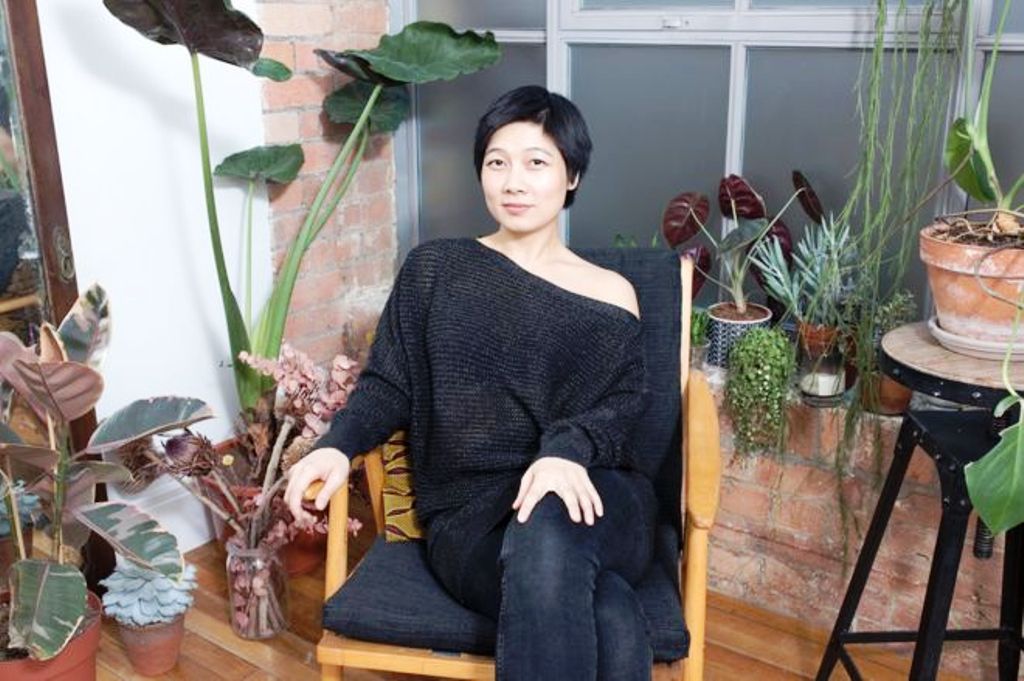
London (BBC): Opening this week is what’s being presented as the first British Vietnamese play. Summer Rolls at London’s Park Theatre shows the younger generation embracing cultural change – and unsettling their families who arrived as migrants 40 years earlier.
Tuyen Do’s play is itself illustrative of this change. Its cast was chosen from the growing pool of British Vietnamese actors – something which would have been impossible just a few years ago.
In the late 1970s, most people in Britain would have been hard-pressed to identify a Vietnamese presence in the country at all. Today the community has grown but it’s still not huge – probably just over 50,000 people nationwide.
Do’s play gives a rare insight into what life has been like for British Vietnamese families since their perilous journeys from home after the fall of Saigon in 1975 and the end of the Vietnam War.
Though her story takes place mainly in Britain, it starts in 1979 on the Mekong river. A mother sends her 11-year-old son off on a boat to what she hopes will be prosperity elsewhere.
Tỷ lệ tử vong vì Nipah lên tới 50%: Hàng loạt sân bay châu Á tái kích hoạt lá chắn thời Covid-19
TPHCM tăng cường giám sát tại các cửa khẩu quốc tế để phòng chống bệnh Nipah
Hoa Kỳ kêu gọi công dân rời Iran “ngay lập tức”
Do says the term Boat People isn’t much liked by today’s British Vietnamese community. But she knows it’s what will come to mind for many audiences.
“After 1975 people around the world saw TV pictures of Vietnamese leaving the country on these unsafe boats. Some came to Britain, normally by way of Hong Kong. Really it was the first Britain knew of Vietnamese people.
“But what I’m trying to do is get away from the cliche that the British Vietnamese now all work in restaurants and in nail bars.”
Do says the story is fictional. “But a lot of the detail and the characterisation comes from my own lived experience,” she adds. “Mai is a younger daughter and she has to negotiate her own way through life in Britain as a second-generation immigrant.
“So partly it’s a very personal story about love and tension within a particular family and how far parents can intervene in a young woman’s life. But also there’s a bigger picture about the status of refugees.”